
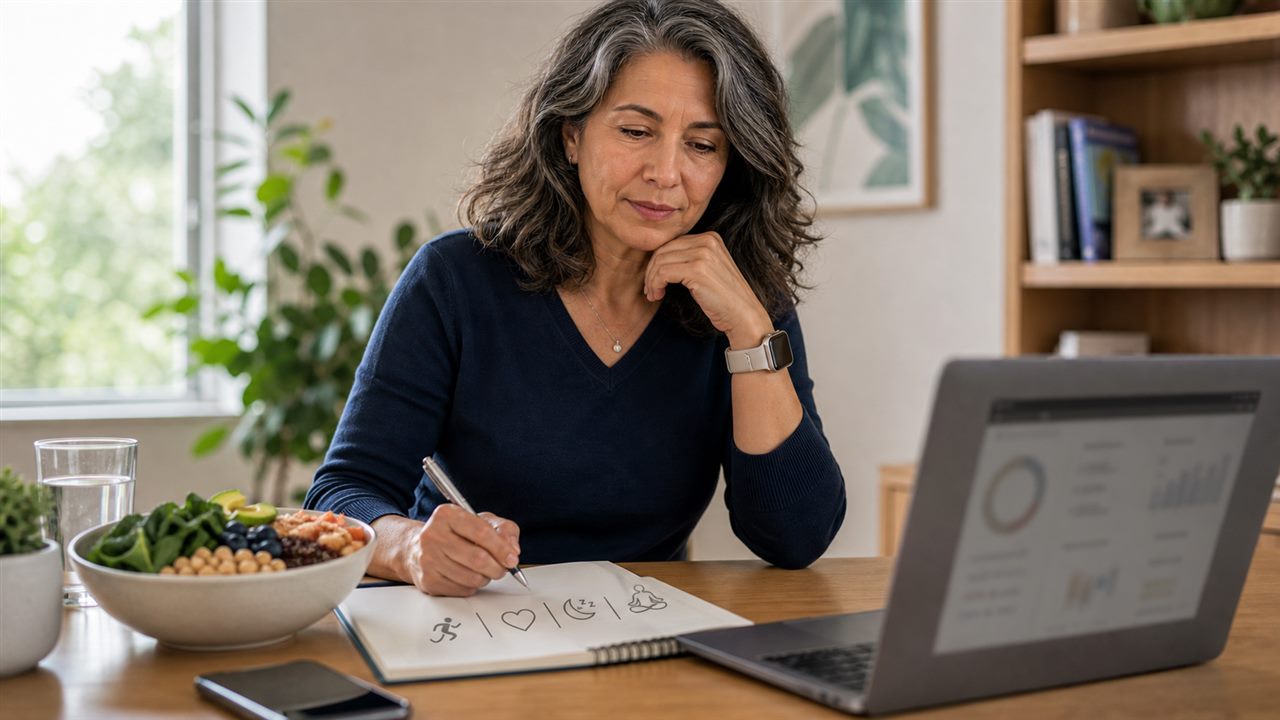
Health trends in 2026 are louder than ever: longevity routines, wearable scores, protein goals, GLP-1 weight-loss conversations, sleep optimization, gut health, and supplement stacks promising everything from energy to age reversal. Some trends are useful. Some are overhyped. Some can be risky if they replace medical care.
The Best Health Secret approach is simple: ask what the evidence says, who may benefit, who should be cautious, what it costs, and whether it helps real daily life.
Trend check table
| Trend | Helpful part | Caution |
|---|---|---|
| Wearables | Can encourage walking, sleep awareness, and consistency. | Scores can create anxiety and are not medical diagnoses. |
| Protein after 50 | Supports muscle when paired with strength training. | Needs personalization for kidney disease and diet quality. |
| GLP-1 weight-loss conversations | Can be medically appropriate for some people with obesity or diabetes. | Prescription decisions require clinician care, side-effect review, and nutrition planning. |
| Sleep optimization | Sleep affects mood, appetite, blood pressure, and cognition. | Do not ignore sleep apnea, depression, pain, or menopause symptoms. |
| Ultra-processed food awareness | Can improve diet quality and fullness. | Do not turn food choices into shame or perfectionism. |
| Supplement stacks | Some supplements fill real gaps. | Many claims are weak, costly, or interact with medications. |
1. Wearables: useful when they change behavior
Wearables can help you notice steps, sleep timing, heart rate trends, and consistency. They become less helpful when the score matters more than your body. A watch cannot diagnose fatigue, palpitations, sleep apnea, anxiety, or overtraining. Use data as a conversation starter, not a verdict.
2. Protein and strength are having a deserved moment
The protein trend has useful roots: women after 50 need to protect muscle. The missing piece is resistance training. Protein without muscle challenge is incomplete; strength training without enough protein is harder to recover from. If you have kidney disease or complex medical needs, ask for personalized guidance.
3. GLP-1 medications changed the weight conversation
GLP-1 and related prescription medications have become a major medical and cultural trend. They may be appropriate for some people, but they are not casual wellness tools. Side effects, contraindications, cost, long-term plan, nutrition, protein intake, muscle preservation, and medication interactions all matter. Anyone considering them should work with a qualified clinician.
4. Ultra-processed food awareness is useful, but shame is not
Research has raised concern that diets high in ultra-processed foods may promote higher calorie intake and poorer diet quality. The practical response is not fear. It is shifting defaults: more beans, vegetables, fruit, yogurt, eggs, fish, oats, nuts, and simple meals, while keeping packaged foods as convenience tools rather than the whole pattern.
5. Sleep is no longer optional wellness
Sleep is becoming a central health topic for good reason. Poor sleep can affect appetite, mood, memory, blood pressure, and exercise consistency. But sleep hygiene cannot fix everything. Night sweats, sleep apnea, pain, depression, and medication effects may need real care.
6. Supplement skepticism is healthy
Supplements can be helpful when they correct a real gap, such as vitamin B12 deficiency, low vitamin D, or inadequate protein intake. But many longevity and hormone-balancing supplements overpromise. Supplements can interact with blood thinners, diabetes medicines, blood pressure drugs, antidepressants, cancer treatments, and surgery planning.
How to evaluate any health trend
- What problem is this solving?
- Is there human evidence, or mostly marketing?
- Who was studied: people like me or a different group?
- What are the risks, side effects, and interactions?
- What does it cost in money, time, and anxiety?
- Does it replace a boring habit that already works?
- Should I ask a clinician first?
Frequently asked questions
What health trend is most useful in 2026?
The most useful trend is the renewed focus on muscle: protein plus strength training. For women over 50, preserving strength is central to healthy aging.
Are longevity supplements worth it?
Some supplements may help correct deficiencies, but broad longevity claims are often weak. Food, movement, sleep, blood pressure control, smoking avoidance, and medical prevention have stronger foundations.
Related Best Health Secret guides
Sources
- NIH NCCIH: How Medications and Supplements Can Interact
- NIH Office of Dietary Supplements: FAQs
- Cell Metabolism: Ultra-Processed Diets and Energy Intake
- CDC: Adult Physical Activity Guidelines
- NHLBI: Healthy Sleep Habits
Medical disclaimer
This article is educational and does not diagnose or treat any condition. Talk with a qualified healthcare professional before using prescription weight-loss medications, starting supplements, or making major health changes.
For evidence-aware health trend checks, subscribe to the Best Health Secret newsletter.