
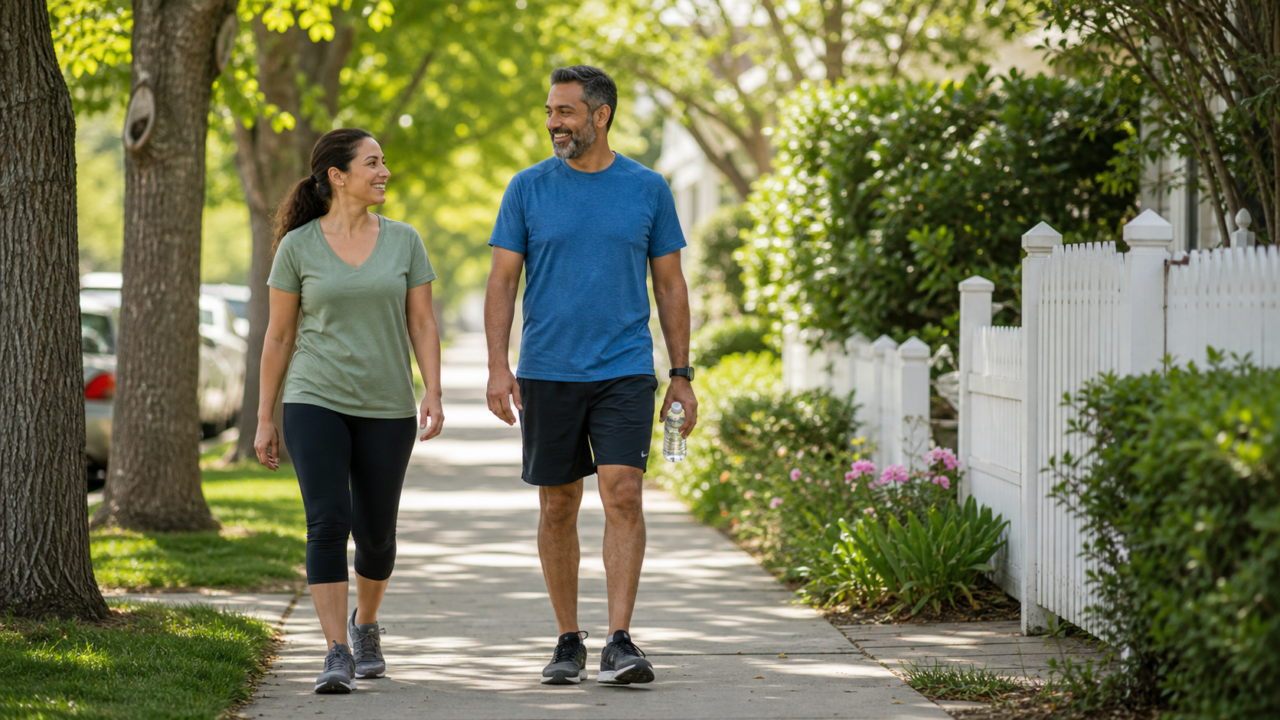
Walking after meals is one of the simplest healthy habits to test. You do not need a gym, equipment, or a perfect schedule. A relaxed 5 to 15 minute walk after eating may help your body handle the rise in blood sugar that normally happens after a meal, especially compared with sitting for a long stretch.
This is not a diabetes treatment plan and it does not replace medication, nutrition therapy, or medical care. If you have diabetes, take insulin or glucose-lowering medication, experience low blood sugar, or have balance or heart concerns, ask your clinician how to add activity safely.
Why blood sugar rises after meals
After you eat carbohydrates, your body breaks many of them down into glucose. Blood sugar naturally rises, then insulin helps move glucose from the blood into cells. The size and length of that rise can vary based on the meal, your activity, sleep, stress, medications, and metabolic health.
Movement helps because working muscles use glucose. That does not mean you need to exercise hard. Light walking may be enough to change the post-meal pattern for some people.
What research suggests
A 2022 systematic review and meta-analysis found that breaking up prolonged sitting with short bouts of light-intensity walking significantly reduced postprandial glucose and insulin compared with continued sitting. Another meta-analysis found that activity breaks during sitting lowered post-meal glucose and insulin responses compared with uninterrupted sitting.
That does not prove that a short walk after every meal will prevent disease for every person. But it does support the practical idea that moving after eating can be better than staying seated for hours.
How long should you walk?
Start small. Try 5 to 10 minutes at an easy pace after one meal per day. If that feels good, build toward 10 to 15 minutes after meals when your schedule allows.
- Walk around the block after lunch.
- Do laps inside your home after dinner.
- Walk the hallway at work.
- Take a slow family walk after a weekend meal.
- Use stairs gently if they are safe for you.
The habit should feel easy, not punishing. If a meal is large, begin gently. If you feel chest pain, dizziness, unusual shortness of breath, or symptoms of low blood sugar, stop and get appropriate medical help.
Walking is not a pass to ignore the meal
A post-meal walk can help, but food quality still matters. Meals with protein, fiber-rich carbohydrates, vegetables, and healthy fats usually support steadier energy better than meals built mostly from refined carbohydrates and sugary drinks.
The CDC notes that federal recommendations advise people age 2 and older to keep added sugars under 10% of daily calories. Cutting back on sugary drinks is one of the most practical blood-sugar-friendly changes many people can make.
Who should be careful?
- People with diabetes who use insulin or medications that can cause low blood sugar.
- People with heart symptoms, chest pain, fainting, dizziness, or unexplained shortness of breath.
- People with balance problems, neuropathy, foot wounds, or unsafe walking environments.
- People recovering from surgery or illness.
If walking is not safe or realistic, ask a professional about alternatives such as seated movement, gentle resistance exercises, or supervised activity.
Bottom line
Walking after meals is not magic, but it is useful, free, and easy to repeat. Start with a relaxed 5 to 10 minute walk after one meal a day. Over time, that small habit can also help you build toward the CDC physical activity recommendation of 150 minutes of moderate-intensity activity each week.