
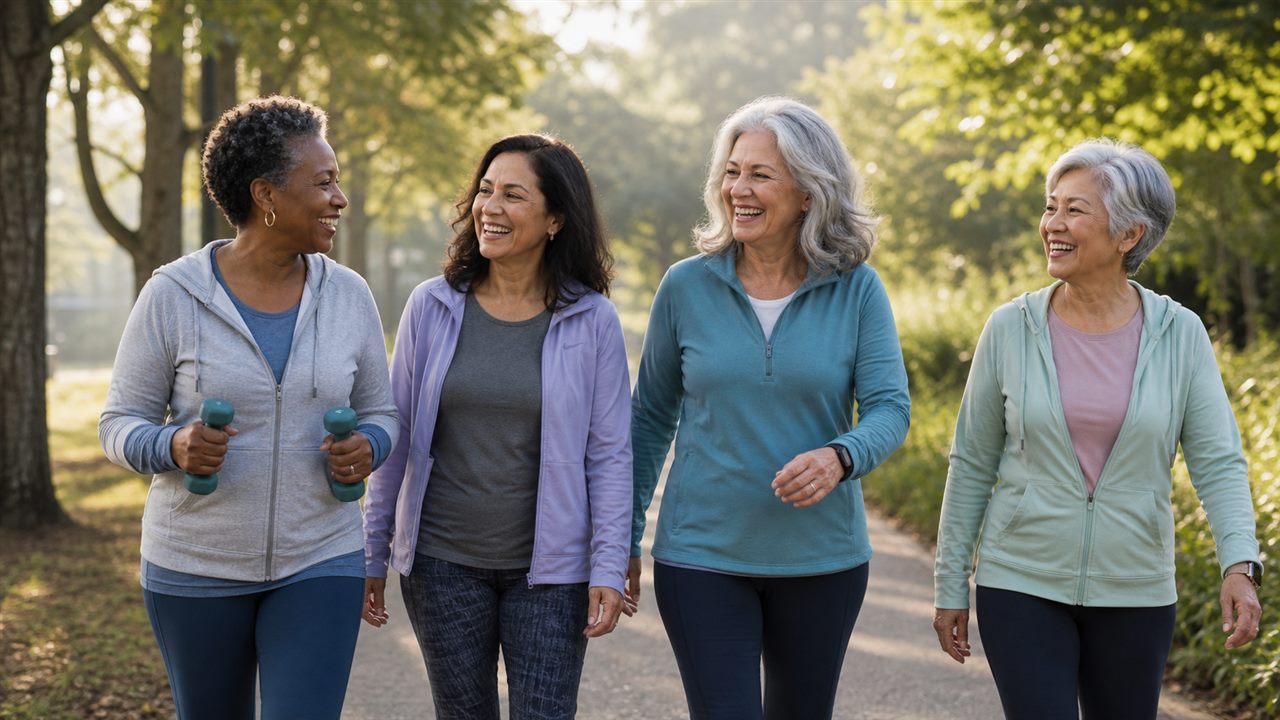
Longevity habits are often marketed like secrets: one supplement, one morning routine, one food, one lab test. Real longevity is less glamorous and more powerful. It is built from repeatable behaviors that lower disease risk, preserve function, and help you keep doing the things that make life feel like yours.
For women after 50, the goal is not simply living longer. It is living stronger, clearer, steadier, and more independent. That means focusing on habits with strong evidence, not chasing every anti-aging trend.
What matters most for longevity?
| Habit | Why it matters | Start here |
|---|---|---|
| Move daily | Supports heart, blood sugar, mood, sleep, and mobility. | Walk 10 to 30 minutes most days. |
| Build muscle | Protects strength, balance, bones, and independence. | Strength train twice weekly. |
| Eat a protective pattern | Food quality affects heart, metabolic, gut, and brain health. | Use a Mediterranean-style plate. |
| Sleep consistently | Sleep affects appetite, memory, mood, and repair. | Keep a stable wake time and treat sleep disruption. |
| Stay connected | Social connection supports mental and physical health. | Schedule real contact weekly. |
| Prevent disease early | Numbers and screenings catch risk before crisis. | Know blood pressure, lipids, glucose, and screening schedule. |
1. Move more than you sit
A long workout cannot fully erase a day of near-total sitting. Build movement into ordinary life: walk after meals, park farther away, do light housework, garden, take stairs when safe, or stand during phone calls. Small movement snacks add up and make formal exercise easier.
2. Strength train because muscle is health tissue
Muscle is not just about appearance. It helps with glucose control, joint support, posture, balance, and recovery after illness or injury. Strength training can be simple: chair squats, wall pushups, step-ups, rows, hip hinges, and carries. If you have osteoporosis, balance problems, chest pain, or a complex medical history, ask for guidance before starting.
3. Eat for patterns, not perfection
Longevity nutrition is less about one superfood and more about the pattern: vegetables, fruit, beans, lentils, whole grains, nuts, seeds, fish, lean proteins, and mostly unsaturated fats. Ultra-processed foods do not need to disappear completely, but they should not become the default backbone of the diet.
4. Protect sleep and recovery
Sleep changes after midlife are common, but chronic poor sleep is not harmless. Menopause symptoms, pain, alcohol, medications, stress, and sleep apnea can all interfere. Treating sleep problems is part of longevity care because sleep affects blood pressure, appetite regulation, mood, memory, and daytime activity.
5. Take social connection seriously
Longevity is not only biological. Isolation, chronic stress, grief, and lack of meaningful connection affect health behaviors and resilience. Social connection can be simple: a walk with a friend, a class, volunteering, faith community, group exercise, or a standing phone call.
What is overhyped?
- Expensive supplement stacks that promise age reversal.
- Detox programs that imply your body needs a paid reset.
- Extreme fasting plans that ignore sleep, muscle, medications, and medical history.
- Wearable scores treated as more important than how you feel and function.
Frequently asked questions
Can you start longevity habits after 60?
Yes. It is never too late to benefit from movement, strength, nutrition improvements, sleep care, smoking cessation, blood pressure management, and social connection. Start at your current level.
What is the most evidence-based anti-aging habit?
No single habit does everything. Physical activity, especially a combination of aerobic movement and strength training, is one of the strongest foundations because it affects many body systems at once.
Related Best Health Secret guides
Sources
- National Institute on Aging: What Do We Know About Healthy Aging?
- CDC: Adult Physical Activity Guidelines
- American Heart Association: Life’s Essential 8
- NHLBI: Healthy Sleep Habits
Medical disclaimer
This article is educational and does not diagnose or treat any condition. Discuss major changes in exercise, diet, medications, or supplements with a qualified healthcare professional.
For practical longevity and healthy aging guidance, subscribe to the Best Health Secret newsletter.